
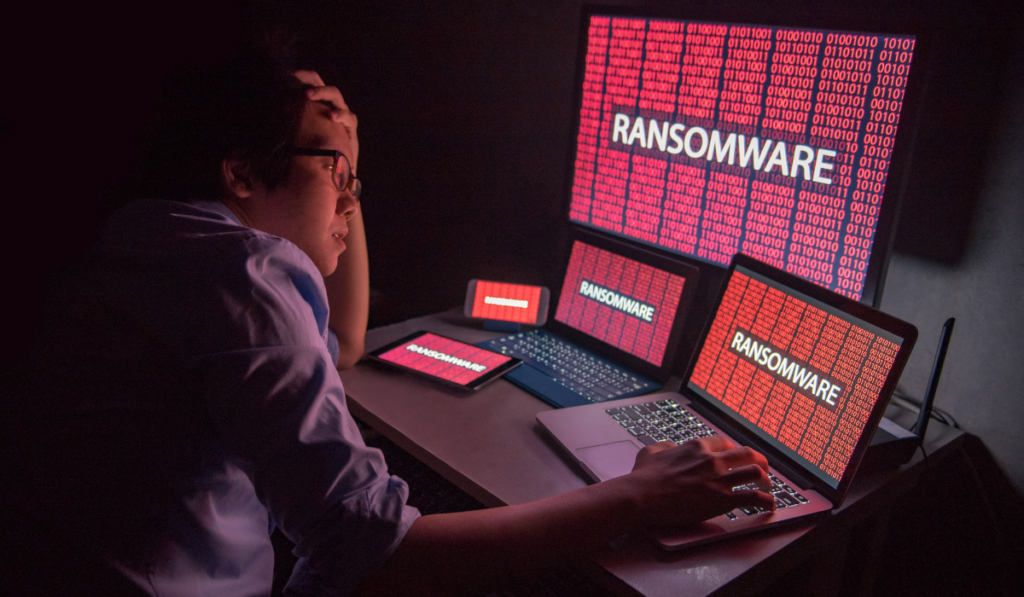
Imagine you’re sitting in Jozi, sipping a rooibos tea, when your phone pings. It’s a text from SARS—urgent, they say. Something about your tax refund being delayed. You click the link, punch in your details, and… bam. Your e-wallet’s drained, your bank account’s locked, and someone’s using your ID number to open accounts in Durban. This isn’t some Hollywood script—it’s the kind of kak that’s happening right now, every day, to South Africans who didn’t see it coming. Welcome to the hidden battlefield of cybersecurity in 2025, and trust me, it’s closer to home than you think.
This isn’t just a global problem—it’s a South African one, and it’s getting hectic. From Cape Town to Polokwane, cyberattacks are spiking, and they’re not picky about who they hit. Your uncle’s WhatsApp? Hacked. The spaza shop down the road? Ransomware just wiped out their stock records. Even your geyser’s smart switch could be next—imagine some hacker in Russia turning it on full blast just for laughs. The stakes are sky-high, and the crooks aren’t lurking in dark alleys—they’re chilling in internet cafés or bedrooms, sipping Red Bull and raking in rands.
Why’s 2025 such a jol for this mess in SA? For starters, we’re connected up to our eyeballs. With 4G everywhere and 5G rolling out, your phone, your car’s GPS, even your DStv decoder—they’re all online, and every one’s a weak spot some skelm can exploit. Then there’s the AI boom. Hackers are loving it—using deepfakes to trick business owners into sending cash, crafting SMS scams so smooth you’d swear it’s your mate asking for airtime, or hijacking TikTok lives to push fake investments. Just last week, a guy on X from Pretoria raged about losing R20,000 to a “Trevor Noah” video promising crypto riches. Spoiler: Trevor’s not DMing you for cash.
The stats don’t lie—cybercrime’s bleeding South Africa dry. Globally, it’s set to cost $10.5 trillion this year, says Cybersecurity Ventures, but here at home, it’s personal. Small businesses—think your local mechanic or that vibey braai spot—are getting hammered. Over half collapse within six months of a big hit. And for regular okes like you and me, it’s ID theft, bank accounts cleaned out, or those nightmare calls from debt collectors for loans you never took. The Hawks are chasing these syndicates, but the dark web’s buzzing with our data—think eNatis leaks or that Home Affairs breach from a while back.
So, what’s the plan, bru? First, stop clicking every link that lands in your inbox or WhatsApp. That “SARS refund” SMS? Check the number—does it look dodgy or end in some random digits? Bin it. Second, get a password manager. I know it’s a schlep, but “Qwerty123” isn’t keeping anyone out. Third, switch on two-factor authentication—those extra steps are like a boom gate for your accounts. And if you’re still using the same password for your FNB app and your Takealot login, sort that out before lunch.
Here’s the real twist: the weakest link’s not the tech—it’s us. These okes don’t need to crack codes when they can just jol you into giving up the goods. Social engineering’s their trump card, and it’s working. I saw a post on X where a lady from Soweto swore her “boss” called her to EFT R10,000 to a supplier. Turns out, her boss was on leave, and the “call” was an AI voice fake. We’re not playing checkers here—this is chess, and they’re winning.
The government’s trying—tighter POPIA rules, more cybercrime units—but it’s a drop in the bucket. Companies like MTN and Vodacom are beefing up security, but every breach feeds the beast. Remember that massive TransUnion hack? Millions of South Africans’ details—names, ID numbers, addresses—sold for peanuts online. The hackers? They’re not even stressed, just counting Bitcoin while we scramble.
This isn’t just a warning—it’s a klap to wake us up. Cybersecurity’s not some fancy word for IT geeks; it’s the line between keeping your life sorted and watching it fall apart because you trusted the wrong SMS. Next time you’re online, think twice. Lock it down. The war’s here, in your pocket, and South Africa’s on the front line. Don’t make it easy for them.